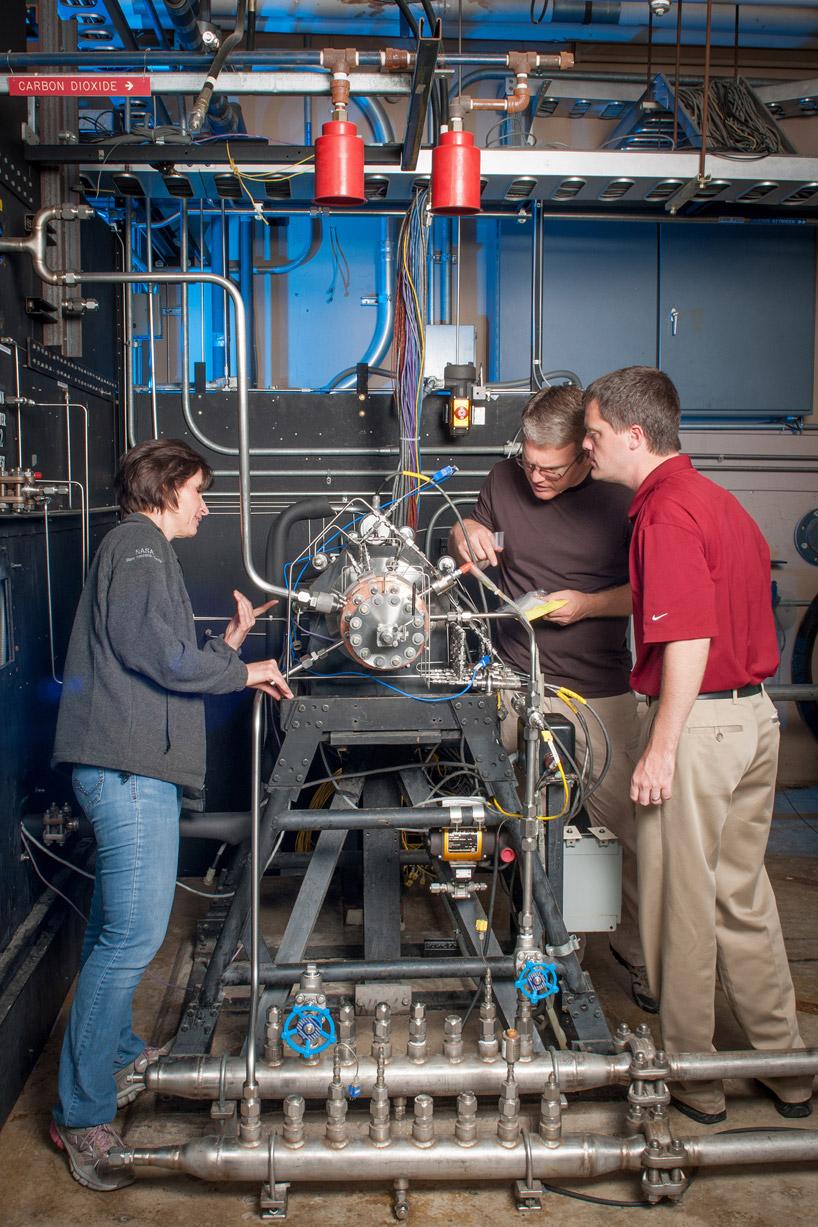
Here we are again; amazed at the wonders of 3D printing! This technology
has definitely taken its rightful place. We remember posting about the
future of science in 3D printing but it has definitely boosted up its
place. Nowadays, we are looking at; 3D printed food, 3D printed guns
even 3D printed 3D printers. Even Nike and Adidas are taking up 3D
printing to new levels which include 3D printed prototype shoes. NASA
however has taken the next step in collaboration with Rocketdyne and has
created and tested the world’s first 3D printed rocket engine injector.
Laser sintering was employed to manufacture this critical component of a
rocket engine. For those of our readers who don’t know much about
rockets and their parts; the engine injector is the most expensive part
of a rocket engine and its manufacturing requires very high tolerance
machining.
It usually takes a year to produce a rocket engine injector, however,
NASA has learned that using the 3D printers, they can produce it in 4
months and cut expenses by 70 percent on its production. Michael
Gazarik, NASA Associate Administrator, had this to say; ‘NASA recognizes
that on Earth and potentially in space, additive manufacturing can be
game-changing for new mission opportunities, significantly reducing
production time and cost by ‘printing’ tools, engine parts or even
entire spacecraft.’
While yes, the use of 3D printers to manufacture such critical equipment
is being seen as a major development, we have engineers at Space agency
which are confident that this technology is equally favorable and
efficient when it comes to manufacturing less critical equipments as
well. Carol Tolbert is a manager of manufacturing and innovations and he
is ready to take up the next big thing; manufacturing of full size 3D
printed rockets.
Over the last few years, NASA’s interest in 3D printing has only spiked
in all aspects and we are foreseeing the publicly funded space agency
becoming the base for inventions and innovative techniques as far as
rocket manufacturing goes! Why is it big news? You all might be looking
at space traveling in the coming years as a recreational thing that just
might be affordable.
By The Engineer - Here
we are again; amazed at the wonders of 3D printing! This technology has
definitely taken its rightful place. We remember posting about the
future of science in 3D printing but it has definitely boosted up its
place. Nowadays, we are looking at; 3D printed food, 3D printed guns
even 3D printed 3D printers. Even Nike and Adidas are taking up 3D
printing to new levels which include 3D printed prototype shoes. NASA
however has taken the next step in collaboration with Rocketdyne and has
created and tested the world’s first 3D printed rocket engine injector.
Laser sintering was employed to manufacture this critical component of a
rocket engine. For those of our readers who don’t know much about
rockets and their parts; the engine injector is the most expensive part
of a rocket engine and its manufacturing requires very high tolerance
machining. It
usually takes a year to produce a rocket engine injector, however, NASA
has learned that using the 3D printers, they can produce it in 4 months
and cut expenses by 70 percent on its production. Michael Gazarik, NASA
Associate Administrator, had this to say; ‘NASA recognizes that on
Earth and potentially in space, additive manufacturing can be
game-changing for new mission opportunities, significantly reducing
production time and cost by ‘printing’ tools, engine parts or even
entire spacecraft.’ While
yes, the use of 3D printers to manufacture such critical equipment is
being seen as a major development, we have engineers at Space agency
which are confident that this technology is equally favorable and
efficient when it comes to manufacturing less critical equipments as
well. Carol Tolbert is a manager of manufacturing and innovations and he
is ready to take up the next big thing; manufacturing of full size 3D
printed rockets. Over
the last few years, NASA’s interest in 3D printing has only spiked in
all aspects and we are foreseeing the publicly funded space agency
becoming the base for inventions and innovative techniques as far as
rocket manufacturing goes! Why is it big news? You all might be looking
at space traveling in the coming years as a recreational thing that just
might be affordable. Nonetheless,
NASA sure is serious about employing 3D printers to real world problems
and it would seem that they are making real progress with it.


 Here
we are again; amazed at the wonders of 3D printing! This technology has
definitely taken its rightful place. We remember posting about the
future of science in 3D printing but it has definitely boosted up its
place. Nowadays, we are looking at; 3D printed food, 3D printed guns
even 3D printed 3D printers. Even Nike and Adidas are taking up 3D
printing to new levels which include 3D printed prototype shoes. NASA
however has taken the next step in collaboration with Rocketdyne and has
created and tested the world’s first 3D printed rocket engine injector.
Laser sintering was employed to manufacture this critical component of a
rocket engine. For those of our readers who don’t know much about
rockets and their parts; the engine injector is the most expensive part
of a rocket engine and its manufacturing requires very high tolerance
machining.
Here
we are again; amazed at the wonders of 3D printing! This technology has
definitely taken its rightful place. We remember posting about the
future of science in 3D printing but it has definitely boosted up its
place. Nowadays, we are looking at; 3D printed food, 3D printed guns
even 3D printed 3D printers. Even Nike and Adidas are taking up 3D
printing to new levels which include 3D printed prototype shoes. NASA
however has taken the next step in collaboration with Rocketdyne and has
created and tested the world’s first 3D printed rocket engine injector.
Laser sintering was employed to manufacture this critical component of a
rocket engine. For those of our readers who don’t know much about
rockets and their parts; the engine injector is the most expensive part
of a rocket engine and its manufacturing requires very high tolerance
machining. 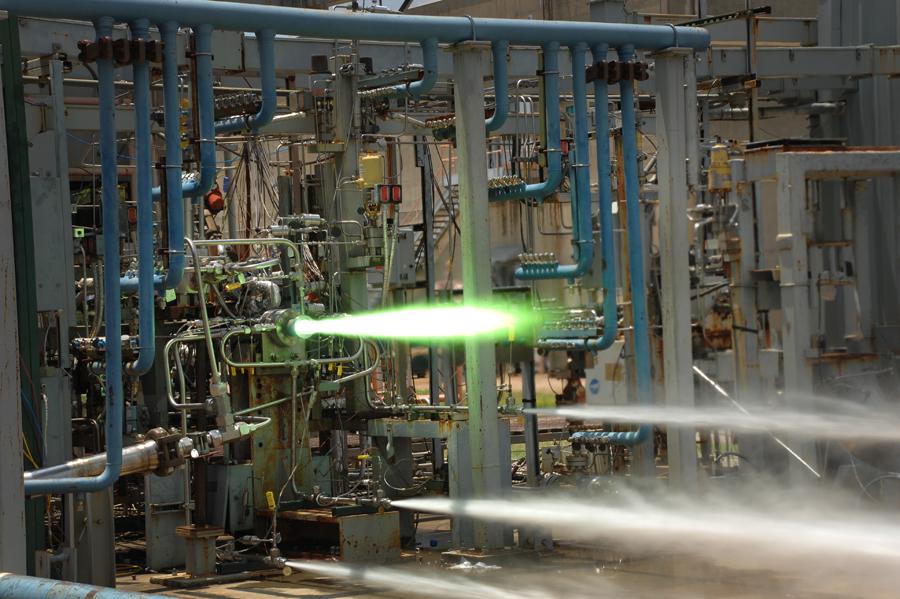 It
usually takes a year to produce a rocket engine injector, however, NASA
has learned that using the 3D printers, they can produce it in 4 months
and cut expenses by 70 percent on its production. Michael Gazarik, NASA
Associate Administrator, had this to say; ‘NASA recognizes that on
Earth and potentially in space, additive manufacturing can be
game-changing for new mission opportunities, significantly reducing
production time and cost by ‘printing’ tools, engine parts or even
entire spacecraft.’
It
usually takes a year to produce a rocket engine injector, however, NASA
has learned that using the 3D printers, they can produce it in 4 months
and cut expenses by 70 percent on its production. Michael Gazarik, NASA
Associate Administrator, had this to say; ‘NASA recognizes that on
Earth and potentially in space, additive manufacturing can be
game-changing for new mission opportunities, significantly reducing
production time and cost by ‘printing’ tools, engine parts or even
entire spacecraft.’  While
yes, the use of 3D printers to manufacture such critical equipment is
being seen as a major development, we have engineers at Space agency
which are confident that this technology is equally favorable and
efficient when it comes to manufacturing less critical equipments as
well. Carol Tolbert is a manager of manufacturing and innovations and he
is ready to take up the next big thing; manufacturing of full size 3D
printed rockets.
While
yes, the use of 3D printers to manufacture such critical equipment is
being seen as a major development, we have engineers at Space agency
which are confident that this technology is equally favorable and
efficient when it comes to manufacturing less critical equipments as
well. Carol Tolbert is a manager of manufacturing and innovations and he
is ready to take up the next big thing; manufacturing of full size 3D
printed rockets. 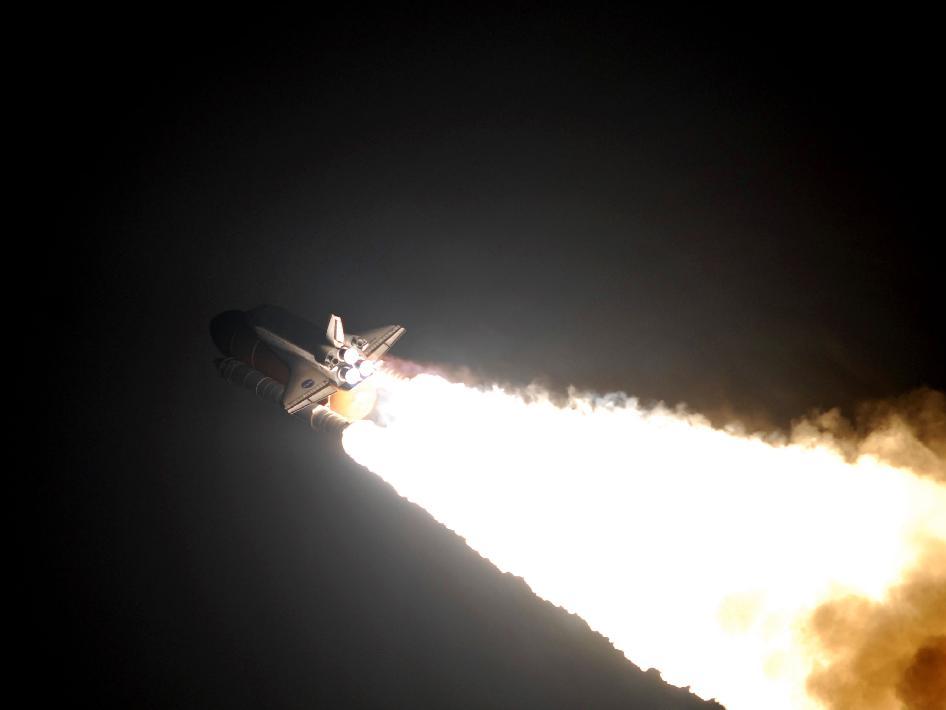 Over
the last few years, NASA’s interest in 3D printing has only spiked in
all aspects and we are foreseeing the publicly funded space agency
becoming the base for inventions and innovative techniques as far as
rocket manufacturing goes! Why is it big news? You all might be looking
at space traveling in the coming years as a recreational thing that just
might be affordable.
Over
the last few years, NASA’s interest in 3D printing has only spiked in
all aspects and we are foreseeing the publicly funded space agency
becoming the base for inventions and innovative techniques as far as
rocket manufacturing goes! Why is it big news? You all might be looking
at space traveling in the coming years as a recreational thing that just
might be affordable.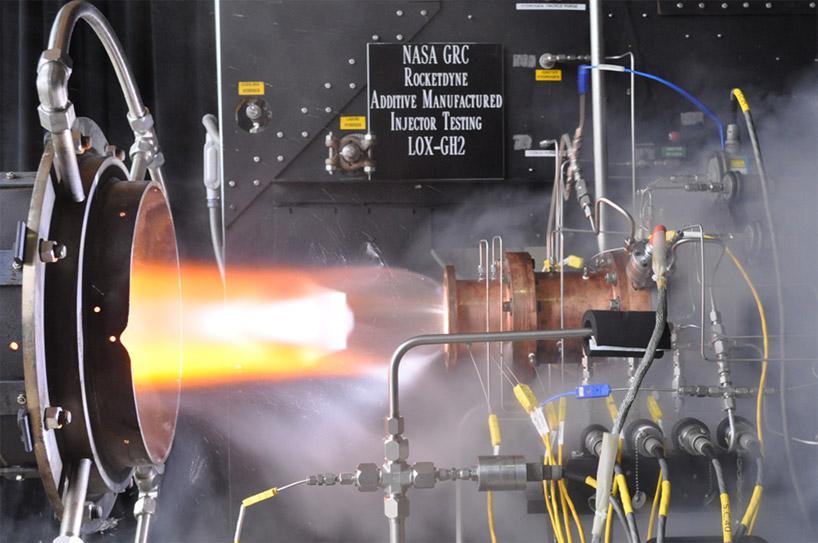 Nonetheless,
NASA sure is serious about employing 3D printers to real world problems
and it would seem that they are making real progress with it.
Nonetheless,
NASA sure is serious about employing 3D printers to real world problems
and it would seem that they are making real progress with it.

No comments:
Post a Comment